COP30 crowds strain Belém lodging and travel logistics

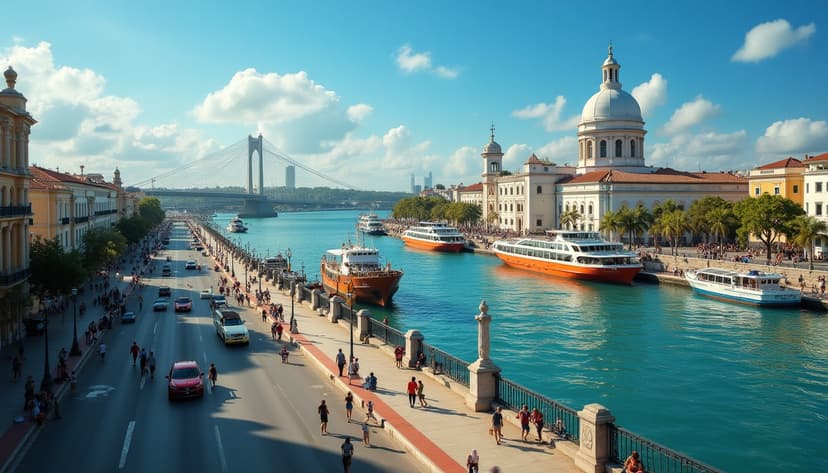
As the 30th United Nations Climate Change Conference (COP30) approaches, scheduled from November 10 to 21, 2025, in Belém, Brazil, the city is experiencing significant challenges in accommodating the expected influx of approximately 50,000 participants. This surge has placed considerable strain on Belém’s lodging and travel infrastructure, prompting both governmental and private sector interventions to ensure a seamless experience for all attendees.
Accommodation Challenges and Solutions
Belém’s existing lodging capacity was initially insufficient to meet the demands of COP30. To address this, the Brazilian government partnered with Bnetwork, an experienced accommodation platform, to consolidate available rooms across hotels and private properties. This initiative aims to provide participants with a user-friendly interface to compare options, check prices, and make secure reservations. The platform also includes links for bookings on hotel boats, offering a unique lodging experience. The service launch is contingent upon completing an inventory of the city’s lodging capacity, a task being conducted in collaboration with local governments and the tourism sector. Valter Correia, the Special Secretary for COP30, emphasized the importance of this step, stating, « We worked intensively to increase the number of beds in Belém to ensure a high-quality COP. »
In addition to traditional accommodations, the government has secured two cruise ships, MSC Seaview and Costa Diadema, to serve as floating hotels. Docked at the revitalized Port of Outeiro, these ships provide approximately 3,900 cabins and 6,000 beds, significantly boosting lodging capacity. A new bridge is under construction to facilitate rapid access between the port and the official conference venue, ensuring minimal disruption to the event’s schedule. This strategy not only addresses the immediate accommodation shortfall but also contributes to the long-term development of Belém’s infrastructure.
Inclusive Accommodation Measures
Recognizing the financial constraints of certain delegations, particularly those from Least Developed Countries (LDCs) and Small Island Developing States (SIDS), the Brazilian government has implemented measures to ensure inclusive participation. Fifteen individual rooms per delegation have been reserved for these countries, with rates ranging from USD 100 to USD 220. This initiative underscores Brazil’s commitment to fostering an inclusive and accessible climate conference. Valter Correia highlighted this effort, stating, « We want all rates to be accessible. We’re working hard toward that goal. »
To further alleviate accommodation pressures, the government has repurposed schools and universities to offer group accommodations, particularly for Indigenous peoples and other delegations requiring larger spaces. This approach not only addresses the immediate lodging needs but also ensures that all participants have a place to stay, regardless of their financial situation. The government’s proactive measures reflect a deep commitment to inclusivity and equitable participation in the global climate dialogue.
Transportation and Mobility Solutions
Efficient transportation is crucial for the success of COP30. The Brazilian government has developed a comprehensive mobility plan to facilitate smooth movement between accommodations, conference venues, and the airport. This plan includes dedicated shuttle services, optimized public transport routes, and ride-hailing options. A new bridge connecting the Port of Outeiro to the conference venue is expected to reduce travel time to approximately 30 minutes, enhancing overall efficiency. These efforts aim to minimize logistical challenges and ensure timely participation in all conference activities.
In addition to traditional transportation methods, the government has coordinated with local authorities to ensure the availability of taxis and ride-hailing services like Uber and 99. These services are expected to be reliable and widely available during the conference period, providing attendees with flexible and convenient options for navigating the city. The integration of various transportation modes reflects a holistic approach to addressing the mobility needs of COP30 participants.
Security Measures and Contingency Planning
Ensuring the safety and security of all COP30 participants is paramount. The Brazilian government has implemented a robust security plan encompassing aerial, maritime, and cybersecurity measures. This comprehensive strategy involves active participation from the Armed Forces, Federal Police, Brazilian Intelligence Agency (ABIN), and local security forces. The plan is designed to address potential risks and provide a secure environment for all attendees. Valter Correia emphasized the importance of these measures, stating, « We want all rates to be accessible. We’re working hard toward that goal. »
In response to potential accommodation shortages, the government has established contingency plans, including the use of unconventional lodging options such as cruise ships, army barracks, and repurposed schools. These measures aim to ensure that all participants have a place to stay, regardless of unforeseen challenges. The government’s proactive approach reflects a commitment to adaptability and resilience in the face of logistical hurdles.
Economic Impacts and Local Community Engagement
The influx of thousands of international visitors for COP30 is expected to have a significant economic impact on Belém and the surrounding region. Local businesses, including hotels, restaurants, and service providers, are poised to benefit from the increased demand. However, this surge also presents challenges, such as potential inflation and resource strain. The government has been working closely with local authorities and business owners to ensure that the economic benefits are maximized while mitigating any adverse effects. Valter Correia noted, « We worked intensively to increase the number of beds in Belém to ensure a high-quality COP. »
Community engagement is a key component of the COP30 preparations. The government has initiated programs to involve local residents in the event, including cultural exhibitions, volunteer opportunities, and educational workshops. These initiatives aim to foster a sense of ownership and pride among the local population, ensuring that the benefits of hosting COP30 are widely distributed. The government’s inclusive approach reflects a commitment to sustainable development and community empowerment.
As COP30 approaches, Belém’s efforts to address accommodation and logistical challenges demonstrate a strong commitment to hosting a successful and inclusive climate conference. Through strategic partnerships, innovative solutions, and a focus on inclusivity, the city is well-prepared to welcome participants from around the world. The proactive measures taken by the Brazilian government and local authorities reflect a deep understanding of the complexities involved in hosting such a significant international event and a dedication to ensuring a positive experience for all attendees. Valter Correia emphasized the importance of these efforts, stating, « We worked intensively to increase the number of beds in Belém to ensure a high-quality COP. »
While challenges remain, the collaborative efforts between the government, local businesses, and the international community underscore a shared commitment to overcoming obstacles and achieving the goals of COP30. The lessons learned from this experience will not only benefit Belém but also provide valuable insights for future international events, contributing to the development of best practices in event planning and execution. Valter Correia highlighted the significance of these efforts, stating, « We want all rates to be accessible. We’re working hard toward that goal. »
Créez votre voyage personnalisé
Laissez ESCAP'IA créer l'itinéraire parfait pour vous avec l'intelligence artificielle. Répondez à quelques questions et recevez votre guide de voyage sur mesure.
Commencer maintenantÀ propos de Kestas
Membre de l'équipe ESCAP'IA, passionné de voyages et d'intelligence artificielle.
Articles recommandés
IATA says October air travel growth signals strong holiday demand
Explore IATA's October 2025 report on global air travel demand, highlighting a 6.6% increase and imp...
Brightline West advances: plan your Vegas, SoCal rail trip
Discover Brightline West's high-speed rail project connecting Las Vegas and Southern California, off...
Airlines eye record profits as capacity crunch shapes global travel
Global airlines projected to achieve record profits in 2026 despite capacity constraints and operati...
Prêt à planifier votre prochaine escapade ?
Laissez ESCAP'IA créer le voyage parfait pour vous avec l'intelligence artificielle. Répondez à quelques questions et recevez votre guide de voyage sur mesure en quelques minutes.