UK to enforce ETA in February as EU delays ETIAS

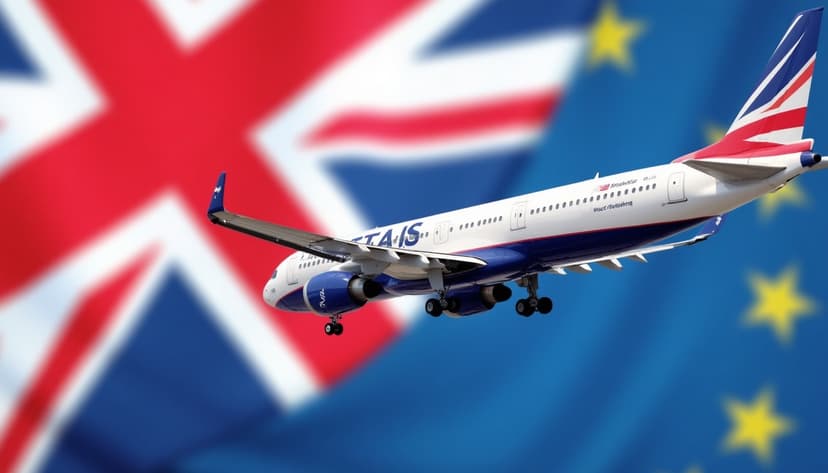
The travel landscape between the United Kingdom and the European Union is undergoing significant changes with the introduction of new electronic travel authorization systems. These developments aim to enhance border security and streamline the travel process for visitors from visa-exempt countries. This article explores the UK’s forthcoming Electronic Travel Authorization (ETA) and the EU’s delayed European Travel Information and Authorization System (ETIAS), highlighting their implications for travelers and the broader impact on international mobility.
Introduction to the UK’s ETA and the EU’s ETIAS
The United Kingdom is set to implement its Electronic Travel Authorization (ETA) system on February 25, 2026. This system will require nationals from 85 countries, including the United States, Canada, Australia, Japan, and EU member states, to obtain a £16 digital permit before traveling to the UK. The ETA is designed to modernize the UK’s immigration system by digitizing border processes and enhancing security measures. Travelers can apply for the ETA online, and it will be valid for two years or until the passport expires, whichever comes first. The introduction of the ETA aligns the UK with similar systems like the US’s ESTA and the EU’s ETIAS, facilitating a more secure and efficient travel experience.
In contrast, the European Union’s ETIAS has experienced multiple delays since its initial announcement. Originally planned for 2022, the EU now aims to launch ETIAS in late 2026, with full enforcement expected by 2027. ETIAS will require travelers from visa-exempt countries, including the UK, to obtain authorization before entering the Schengen Area. The application process will involve an online form, personal details, security questions, and a €7 fee. This system is intended to bolster border security and manage migration more effectively.
Implications for UK Travelers
For UK travelers, the delayed implementation of ETIAS means that they will not need to obtain travel authorization for visits to the Schengen Area until at least late 2026. This provides a temporary relief for those accustomed to visa-free travel within Europe. However, travelers should remain vigilant and stay informed about the evolving requirements to ensure compliance with future regulations.
During this interim period, UK travelers can continue to plan and undertake trips to Europe without the additional step of applying for ETIAS. Nonetheless, it is advisable to monitor official EU communications for any updates or changes to the timeline, as further delays or adjustments may occur.
Additionally, travelers should be aware of potential scams related to ETIAS applications. Fraudulent websites may attempt to collect personal information or charge excessive fees. To avoid such risks, it is recommended to apply for ETIAS through official EU portals and be cautious of third-party services offering expedited processing.
Implications for EU Travelers to the UK
EU travelers planning to visit the UK will need to obtain the ETA starting February 25, 2026. This requirement applies to nationals from 85 countries, including EU member states. The application process is straightforward, involving an online form and a £16 fee. The ETA will be valid for two years or until the passport expires, whichever comes first, and allows multiple visits of up to six months each.
The introduction of the ETA aims to enhance border security and streamline the entry process for travelers. EU citizens should ensure they apply for the ETA in advance of their travel dates to avoid any disruptions. The UK government has emphasized the importance of obtaining the ETA before departure, as carriers will be required to verify that passengers have the necessary authorization before boarding.
Travelers should also be aware of potential scams related to ETA applications. Fraudulent websites may attempt to collect personal information or charge excessive fees. To avoid such risks, it is recommended to apply for the ETA through official UK government portals and be cautious of third-party services offering expedited processing.
Impact on Tourism and Travel Industry
The implementation of the ETA and the delayed ETIAS are expected to have significant effects on tourism and the travel industry. For the UK, the ETA may lead to a reduction in the number of short-term visitors from countries that previously enjoyed visa-free access. This could impact sectors such as hospitality, retail, and transportation, which rely on international tourism.
Conversely, the delay in ETIAS implementation means that EU countries will continue to receive UK visitors without the additional requirement of obtaining travel authorization. This status quo benefits the European tourism industry, which has been a significant source of revenue. However, stakeholders should prepare for the eventual introduction of ETIAS, which may alter travel patterns and necessitate adjustments in marketing and operational strategies.
Both the UK and EU travel industries should collaborate to ensure a smooth transition to these new systems. This includes providing clear information to travelers, addressing potential challenges, and mitigating any negative impacts on tourism and related sectors.
Security and Privacy Considerations
The introduction of the ETA and ETIAS systems raises important security and privacy considerations. Both systems require travelers to provide personal and biometric information, which will be stored in centralized databases. While these measures aim to enhance border security and facilitate efficient processing, they also pose potential risks related to data protection and privacy.
Travelers should be aware of how their data will be used and protected. It is essential to apply for the ETA and ETIAS through official channels to ensure that personal information is handled securely. Additionally, travelers should stay informed about their rights concerning data protection and seek clarification from authorities if they have concerns.
Both the UK and EU governments have a responsibility to implement robust security measures to protect travelers’ data. Transparency in data handling practices and clear communication with the public are crucial to maintaining trust in these new systems.
Future Outlook and Potential Developments
The travel authorization landscape is evolving, with the UK and EU implementing systems that mirror each other. The UK’s ETA and the EU’s ETIAS are part of a broader trend towards digital border management, aiming to enhance security and streamline travel processes. However, the delays in ETIAS implementation highlight the challenges associated with such large-scale digital initiatives.
Looking a, travelers should anticipate further developments in border security measures. Staying informed about changes in travel authorization requirements and understanding the application processes will be essential for seamless international travel. Both the UK and EU are likely to continue refining their systems to address emerging challenges and improve the travel experience.
The UK’s forthcoming ETA and the EU’s delayed ETIAS represent significant shifts in international travel protocols. While the ETA will soon become mandatory for travelers to the UK, the ETIAS delay provides a temporary reprieve for UK visitors to Europe. Both travelers and the travel industry must stay informed and prepared for these changes to ensure smooth and secure travel experiences.
<pAs these systems evolve, ongoing communication and adaptation will be key to navigating the future of international travel. By understanding and complying with these new requirements, travelers can continue to enjoy the benefits of global mobility while contributing to enhanced security measures.
Créez votre voyage personnalisé
Laissez ESCAP'IA créer l'itinéraire parfait pour vous avec l'intelligence artificielle. Répondez à quelques questions et recevez votre guide de voyage sur mesure.
Commencer maintenantÀ propos de Kestas
Membre de l'équipe ESCAP'IA, passionné de voyages et d'intelligence artificielle.
Prêt à planifier votre prochaine escapade ?
Laissez ESCAP'IA créer le voyage parfait pour vous avec l'intelligence artificielle. Répondez à quelques questions et recevez votre guide de voyage sur mesure en quelques minutes.