Netherlands raises hotel VAT to 21%, pricier stays ahead

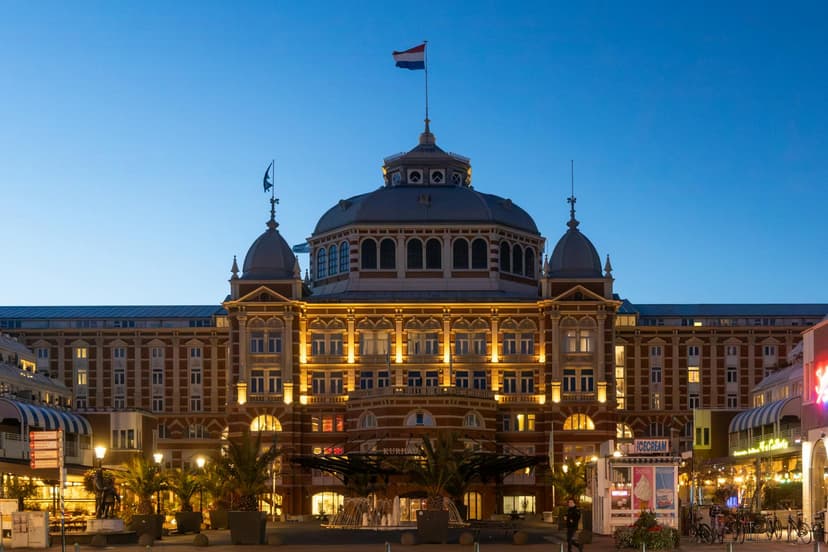
The Netherlands has moved its reduced VAT rate for short-stay accommodation up to the standard rate, increasing the tax on hotel rooms and many types of overnight lodging. The change took effect at the start of 2026 and has prompted immediate concern from hoteliers, regional authorities and tourism bodies about higher guest bills and weaker demand.
Hotels, guesthouses, B&Bs and many platform-based rentals are now taxed at 21% instead of the previous 9%, while some categories such as campsites remain at the lower rate. The measure is part of broader fiscal adjustments announced by the government in recent budget planning.
what changed and when
The key legal change is simple: overnight accommodation that previously qualified for the 9% reduced VAT rate has been reclassified so that the 21% standard VAT applies to stays from January 1, 2026 onward. The rate applies based on the date of the stay, not the date the booking was made.
That means a reservation made in late 2025 for a room in February 2026 will be billed with 21% VAT when the stay occurs , hotels and platforms must adjust invoices and advance-payment handling to reflect the new tax treatment. Practical guidance from government agencies and sector advisers was published in the run-up to the change to help businesses comply.
The government framed the amendment as part of its tax-plan package announced in 2024, 2025, which reprioritised reduced-rate categories and sought to raise additional revenue from consumption taxes. The measure entered into force on 1 January 2026.
who is affected
The VAT change covers a broad range of short-stay accommodation: hotels, bed & breakfasts, guesthouses, hostels, holiday homes and platform-based short-term rentals where VAT previously applied at the lower rate. Many small operators and short-stay hosts therefore face an immediate tax-rate shift.
Campsites and certain day-recreation services remain taxed at 9%, so not every part of the leisure sector saw treatment change. But the accommodation segment that feeds urban tourism and holiday markets is directly affected, which concentrates the economic impact on city hotels, holiday rental managers and hospitality chains.
Advance payments and deposit rules were explicitly addressed by government guidance to make clear that VAT should be charged according to the stay date; businesses that take deposits or pre-payments must therefore review their invoicing and booking conditions. This has administrative as well as cash-flow implications for smaller operators.
the price effect: what guests will pay
On a line level the VAT jump increases the tax component of a hotel bill by 12 percentage points (from 9% to 21%), which translates into roughly an 11% higher final price if the full tax increase is passed on to customers. Many operators say they will pass most or all of the tax on because margins in hospitality are thin. Analysts warned of noticeably higher rates for consumers booking stays in 2026.
Hotels that keep their net room rates unchanged will still show higher checkout totals because the tax portion has risen. Some groups and independent properties may instead absorb part of the rise to avoid deterring price-sensitive guests, but that erodes profits and can limit investment plans, according to sector trade bodies.
Price-sensitive travelers may shift dates, choose campsites or look abroad if perceived value drops. Observers point out that competitiveness versus neighbouring destinations and domestic holiday patterns will shape how much demand shifts in practice. Early market data and forecasts signalled uncertainty for occupancy and average daily rates into 2026.
economic and fiscal rationale
The government justified the measure as a way to raise additional consumption tax revenue and simplify VAT treatment across categories. The broader tax package announced in 2024, 2025 included several reclassifications of reduced-rate items to shore up public finances. Estimates circulated during debates put the expected revenue from these reclassifications in the billions of euros annually.
Official guidance and fiscal commentary noted the change would improve tax receipts but also warned of potential distributional and demand-side effects. Independent economic analyses highlighted that moving consumption toward goods and services taxed at the standard rate raises line VAT intake but can also reduce consumption or shift it to alternatives.
Policymakers argued that the revenue would help fund other budget priorities; critics countered that increased leisure costs could disproportionately affect lower-income households and smaller tourism businesses recovering from post-pandemic debt burdens. The political debate around trade-offs between fiscal needs and sector support has been ongoing.
industry and regional reaction
Hospitality associations, regional politicians and some provinces publicly urged the national government to reconsider or phase in the increase, citing risks to tourism-dependent local economies. In several coastal and rural provinces the industry warned of fewer overnight stays, lower secondary spending in restaurants and shops, and higher business failures among small operators.
Trade bodies stressed that many hotels are already coping with rising labour, energy and rental costs, and that an abrupt tax increase compounds financial pressure. Some associations offered that if the rise must go a, targeted support or compensatory measures for vulnerable operators would reduce collateral damage.
Local governments and tourism boards are updating pricing and promotion plans to limit demand loss; some destinations are exploring marketing campaigns that emphasise non-taxed attractions or value-added packages to retain visitors. The effectiveness of those measures will hinge on how operators set net rates versus passing the VAT on.
how hotels and platforms may respond
Operators have several levers: increase room rates to pass the tax through, absorb part of the VAT rise, bundle services to appear more price-competitive, or target different customer segments less sensitive to VAT-driven price changes. Chains with loyalty programs may use points, promotions or added services to blunt sticker-shock.
Booking platforms and property managers must update pricing displays, prepayment invoices and consumer-facing terms so guests see correct taxes for stays in 2026. Transparency is essential to avoid disputes at check-in where guests discover higher totals than expected. Government guidance stressed compliance on invoicing and advance-payment treatment.
Some smaller properties may try to compete by leaning into services that keep visible room prices lower (e.g., optional add-ons or inclusive packages) while accounting for VAT in the total checkout. Others may focus on off-peak or longer-stay segments where the per-night tax impact is diluted. The sector’s response will vary by cost structure and market positioning.
what travellers should know
If you have a booking that spans the rate change or is for a stay from January 1, 2026 onward, expect the hotel to charge 21% VAT on the accommodation portion of your bill. Check your confirmation and the property’s terms , operators are required to apply the VAT rate that matches the stay date.
To avoid surprises, travellers can: ask whether a quoted rate includes VAT for the stay date, compare total checkout prices (not just base rates), and consider alternative accommodation types such as campsites that retained the lower VAT or longer stays where the per-night tax effect is smaller. Travel insurance and cancellation rules remain subject to each provider’s policies.
Frequent travellers and corporate bookers should notify travel managers and procurement teams to update expense policies and per-diem calculations. For international visitors, the VAT change affects planning and total trip budgets, especially for multi-city itineraries inside the Netherlands.
The Netherlands’ decision to standardise VAT treatment on many overnight stays closes one chapter of a wider debate about which cultural and leisure services should get preferential VAT treatment. The short-term outlook for 2026 is a period of adjustment for hotels, platforms and travellers as markets absorb a noticeable tax-driven price shock.
How large and permanent the demand effects will be depends on how businesses price, whether any compensatory policies are introduced, and how consumers alter behaviour. Policymakers, industry groups and regional stakeholders will watch occupancy, average daily rates and local spending data closely through 2026 to assess the real-world impact of the VAT change.
As the year progresses there will be clearer evidence about whether price increases materially shift tourist flows or whether the market absorbs the higher tax with limited disruption. For now, travellers should expect generally pricier stays across much of the Dutch accommodation market.
Créez votre voyage personnalisé
Laissez ESCAP'IA créer l'itinéraire parfait pour vous avec l'intelligence artificielle. Répondez à quelques questions et recevez votre guide de voyage sur mesure.
Commencer maintenantÀ propos de Kestas
Membre de l'équipe ESCAP'IA, passionné de voyages et d'intelligence artificielle.
Prêt à planifier votre prochaine escapade ?
Laissez ESCAP'IA créer le voyage parfait pour vous avec l'intelligence artificielle. Répondez à quelques questions et recevez votre guide de voyage sur mesure en quelques minutes.